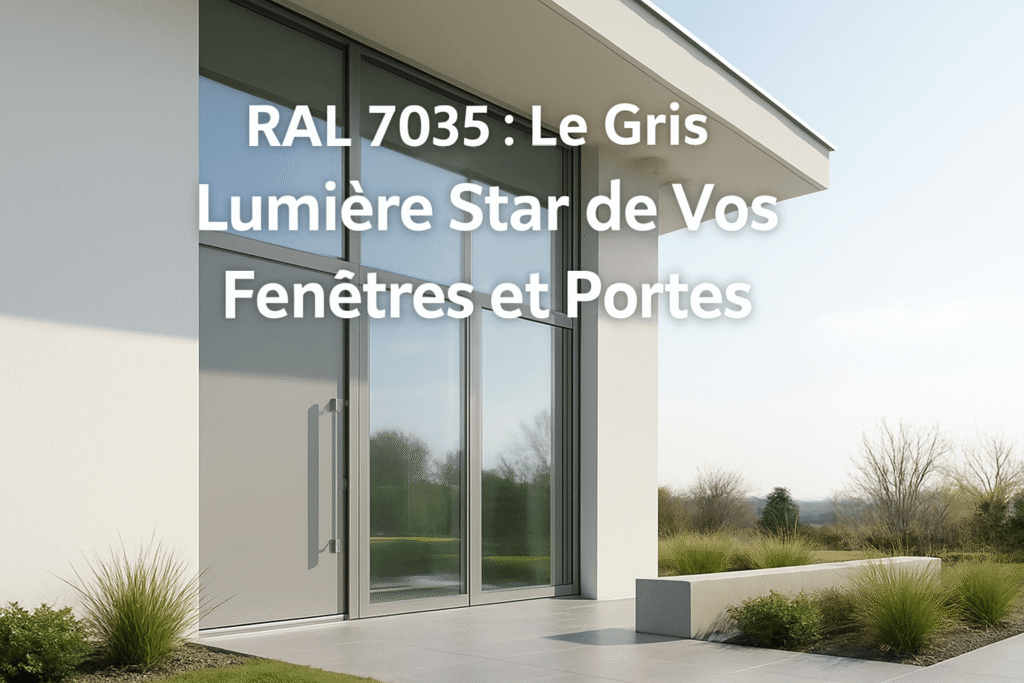
Modern and contemporary styles offer unique possibilities for transforming your home. While modern style brings timeless elegance, contemporary style invites innovation and personalization. Take the time to discover what resonates most with your vision and needs to create a space that truly reflects you. Don’t hesitate to blend the two styles for a hybrid approach that combines modern functionality with contemporary eclecticism, creating an interior that is both unique and harmonious.
When it comes to decorating or renovate a spaceThe choice between contemporary and modern styles can be confusing. These two concepts are often used interchangeably, but they have key differences.
Modern style: Minimalism and geometry
Origins and historical influence
Modern style has its roots in the early 20th-century modernist movement, popularized by iconic figures such as Le Corbusier, Walter Gropius, and Mies van der Rohe. This architectural and design movement was a reaction against the excessive ornamentation of previous styles, favoring instead a functional and streamlined approach. With its emphasis on simplicity and functionality, modern style sought to create spaces that reflected the spirit of the industrial age.
Main Features
Modern style is distinguished by:
- Clean lines Geometric shapes and right angles dominate, offering a clear and orderly aesthetic.
- Industrial materials The use of glass, steel, concrete and natural wood creates a minimalist and contemporary atmosphere.
- Neutral palette Colors such as white, black, grey and beige are preferred to create serene and balanced spaces.
- Functional furniture Modern furniture combines comfort and simplicity with timeless designs, often without superfluous ornamentation.
The main objective of the modern style is to create simple and orderly spaces, where each element has a precise function, thus promoting an easy and methodical life.

Contemporary style: Eclecticism and evolution
An approach in constant evolution
Unlike modern style, contemporary style does not reference a specific historical period. Rather, it reflects current trends, meaning it is constantly evolving to incorporate new ideas, cultural influences, and technological advancements.
Distinctive features
Contemporary style has unique characteristics:
- Organic shapes : Curves and flowing lines soften the space, creating a feeling of dynamism and comfort.
- Diversified materials In addition to traditional materials like glass and metal, contemporary style favors the use of recycled and natural materials, thus contributing to a sustainable interior.
- Bold colors : In addition to neutral tones, bright and dynamic accents can be added, allowing for personalization of spaces.
- Sustainability Ecological and sustainable elements are strongly integrated, thus responding to a growing environmental awareness.
Contemporary style encourages innovation and offers great freedom in the choice of decorative elements, making each space unique and personal.
Key differences between modern and contemporary styles
| Criteria | Modern style | Contemporary style |
|---|---|---|
| Origin | Early 20th century | Evolves with current trends |
| Shapes | Strict geometric lines | Curves and fluidity |
| Colors | Neutral and earthy | Varied palette, bold accents |
| Materials | Wood, steel, concrete | Recycled and sustainable materials |
| Furniture | Functionality above all | Innovative and eclectic designs |
How to choose the style that suits you?
The choice between modern and contemporary styles depends on several factors:
- Your aesthetic preferences If you appreciate minimalist and timeless designs, the modern style is ideal. On the other hand, if you prefer a space that evolves with trends and expresses your personality, opt for contemporary.
- The functionality Both styles offer practical solutions, but the modern style focuses more on simplicity and efficiency, while the contemporary style allows for more creativity and experimentation in furniture arrangement and decoration.
- The environment Contemporary style often incorporates sustainable and eco-friendly elements, making it an ideal choice for those seeking an environmentally conscious interior. If sustainability is a priority for you, contemporary style may offer more suitable solutions.

Application in decoration and architecture
- Modern style Perfectly suited to open spaces, with panoramic windows and polished concrete floors. Partitions are often absent, allowing natural light to flood the space. This style is ideal for creating a clean and structured atmosphere, conducive to concentration or relaxation.
- Contemporary style Perfect for modular interiors, with artistic elements and bold finishes. This style allows for greater personalization, incorporating unique pieces and artwork that tell a story. Contemporary spaces can also include modern technologies that enhance comfort and functionality.